What's the best season for wedding photos in Atlanta?
Late March through May (spring) and October through early November (fall) offer the best light and comfortable temperatures. Atlanta summers are hot and humid, which means harsh shadows and sweaty skin by reception time.
Spring blooms are genuinely magical, dogwoods and azaleas frame gorgeous photos naturally. Fall colors in Georgia are stunning, and the cooler weather means your guests aren't miserable in formal wear and looking tired. Summer (June–August) is brutal for outdoor photos; you're fighting humidity, harsh sunlight, and exhausted guests who start sweating through their clothes. Winter (December–February) can work, but Atlanta's gray skies limit beautiful natural light. If you're locked into an off-season date, plan indoor venues and be strategic about timing outdoor photos during the softest light (early morning or late afternoon). Your photographer can strategize around Atlanta's summer heat.
Which Atlanta venues photograph best?
Venues with built-in natural light and outdoor backdrops, The Engine Room, Summerour, and Lacuna Lofts, photograph beautifully. Historic homes like Barnsley Resort and gardens like Atlanta Botanical Garden offer gorgeous backgrounds for your photos.
Industrial lofts with high ceilings and big windows create flattering light indoors without needing flash as much. Historic estates and botanical gardens give you natural-looking backdrops with real character and depth. Some venues are just hard to photograph: low ceilings, fluorescent lighting, ugly parking lots that create logistics headaches. During venue tours, ask your photographer specifically which Atlanta venues they love shooting. They know which spaces have good sight lines for ceremony photos, where reception lighting works best, and which outdoor spots have killer sunset views. A venue's marketing photos might be professionally touched up and misleading; ask your photographer for real examples from recent weddings they've shot at that venue.
What time should we schedule our ceremony for best light?
Afternoon ceremonies (2–4 p.m.) are ideal for Atlanta because you'll get beautiful golden-hour light for outdoor couple photos and portraits right after your ceremony finishes. This matters for your wedding day success.
A 4 p.m. ceremony means sunset light arrives by 5–5:30 p.m., creating perfect golden-hour conditions for emotional couple portraits. Morning ceremonies (10–11 a.m.) work if your venue has great indoor space because midday sun is harsh and unflattering outside. Avoid midday ceremonies (11 a.m.–2 p.m.) outdoors because the light is flat, creating shadows under eyes and harsh contrasts. If you're getting married in summer and need to escape the Atlanta heat, morning makes sense, but you'll need shade and a solid indoor backup plan. Your photographer should help you plan ceremony timing based on light and your venue's layout. Getting the light right in-camera means better photos and less editing later.
Are Atlanta wedding photographers expensive?
Afternoon ceremonies (2–4 p.m.) are ideal for Atlanta because you'll get beautiful golden-hour light for outdoor couple photos and portraits right after the ceremony finishes. This matters for your wedding day success.
You get what you pay for in photography. A photographer at the lower end might have fewer years of experience or a smaller body of work. Mid-range photographers ($2,500–$3,500) have solid portfolios and real experience with Atlanta venues. High-end photographers ($4,000–$6,000+) have extensive experience, consistent editing style, and often include things like second photographers, engagement sessions, or custom albums. Don't book based solely on price; look at their actual wedding photos (not just highlights) to see if their style and editing match your vision. A portfolio that feels forced or overly edited might look good in marketing but not reflect how your wedding actually feels.
Should we do a first look or wait for the ceremony?
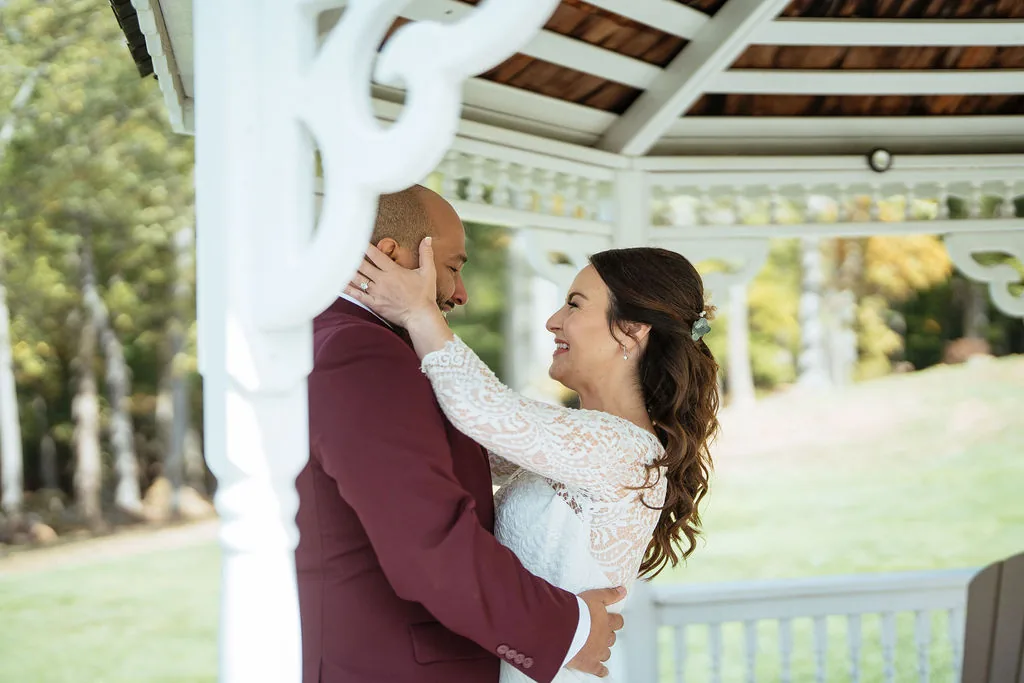
Both work beautifully, but a first look gives you more time for relaxed couple portraits and family photos with good light. Waiting for the aisle is more traditional and creates that emotional ceremony moment.
A first look means you see each other 30–60 minutes before the ceremony, usually in a private spot with just your photographer. This lets you have a calm, genuine moment together and gives your photographer time for gorgeous portraits while the light's still soft and golden. You're also more relaxed than at the altar with 100 people watching. Skipping the first look means that emotional ceremony moment is unrepeatable and often less forgiving for photos (harsh light, formal pressure). Neither is wrong, it's about what feels right to you as a couple. Discuss it with your photographer because it fundamentally changes how they plan the day and timeline.
Can we get married at Piedmont Park or other Atlanta public spaces?
Yes, but you'll need permits and might face restrictions. Piedmont Park allows events with proper permitting; check with Atlanta Parks & Recreation for specific rules, fees, and available areas for ceremonies.
Public parks in Atlanta have become increasingly popular for weddings, but you can't just show up and set up. You need permits (sometimes months in advance), approval from park management, and sometimes a minimum rental fee ($300–$1,000+). Some parks restrict wedding activities to designated zones. Discuss your chosen location with your photographer and venue coordinator because public spaces require different logistics than private venues. You might need permits for photography as well if you're hiring a professional. It's doable and can look absolutely stunning, but it requires advance planning, proper permitting, and compliance with park rules.