What's the single biggest factor to consider when choosing a wedding venue?
Guest comfort and capacity. Your venue must safely accommodate your invite list, have adequate restrooms, climate control (heat, cold, rain protection), and good flow between ceremony, cocktail, and reception areas. Everything else (décor, lighting, photos) works around this.
A beautiful venue that's too small creates bottlenecks and stressed guests. A venue without adequate shade on a 95-degree day is miserable. No parking or poor restroom facilities ruin the experience before your first dance. Start with the practical framework: How many guests are you inviting? What's the venue's actual capacity? Can it handle your timing (ceremony, cocktail hour, reception without rushed transitions)? Are there adequate restrooms, parking, climate control, and water access? Does it fit your budget? Once you know you can actually execute a wedding there, then evaluate aesthetics and photo potential.
How far in advance should we book our venue?
Book 12–18 months ahead for popular venues, 9–12 months for less-booked locations, and 6 months minimum for off-season or smaller venues. Peak season (May–October) books up fastest. Call immediately once you know your target date.
Popular venues in major metros book out 18+ months for peak season dates. If you have a specific venue and date in mind, start calling 12–18 months ahead. Less-popular venues or off-season dates (November–March) can sometimes be booked 6–9 months out. Some venues open their calendars on a rolling basis (e.g., bookings open 24 months in advance). Don't assume you have time, call immediately once you know your general date range. A favorite venue might be booked solid for your target month but open for the week before or after. Flexibility on dates buys you more options.
Should we choose a venue based on photos we see online, or do we need to visit in person?
Always visit in person. Photos online show the best angle and light; the actual venue might have hidden flaws, limited parking, awkward room layouts, or harsh light at your planned ceremony time. You'll make a better decision after seeing it.
Online photos are cherry-picked, they show the prettiest angle, the best season, and the best light. A ballroom might look stunning in a pro photo but feel cold and empty when you're there. An outdoor venue might be gorgeous in May but exposed and sweltering at 2 PM in July. Visit at the time of day you're planning your ceremony and note the natural light, temperature, sight lines, and feel. Walk the entire space: where do guests park? How do they enter? Where's the restroom? Is there a bottleneck between cocktail and reception? Talk to the coordinator about what's included versus what you need to rent. A in-person visit takes 45 minutes and prevents expensive mistakes.
What questions should we ask a potential venue?
Ask about capacity and guest count flexibility, pricing (what's included vs. extra costs), timing (ceremony length, setup/teardown hours), vendor requirements (can you use outside vendors?), bar and catering policies, insurance requirements, and backup plans for bad weather. Get everything in writing.
Create a question checklist before venue visits: exact guest capacity, pricing per person or flat rate, what's included (linens, tables, chairs, lighting, bar setup), timeline flexibility, restrictions on music/decorations, outside vendor policy (your florist and photographer), catering requirements, parking, restrooms, weather backup, insurance needs, deposit amount, and payment schedule. Some venues require you to use their caterer or bar; others allow outside vendors. Some charge extra for setup hours or day-of coordination. The difference between two venues might be $5K just in hourly charges and vendor restrictions. Write down answers and compare afterward, it's easy to mix up details from four venue visits.
How do we balance venue aesthetics with practical logistics?
Prioritize guest comfort and functionality (size, bathrooms, climate, parking) first. Then choose the most beautiful venue among those that check all the boxes. A gorgeous but uncomfortable venue isn't worth it.
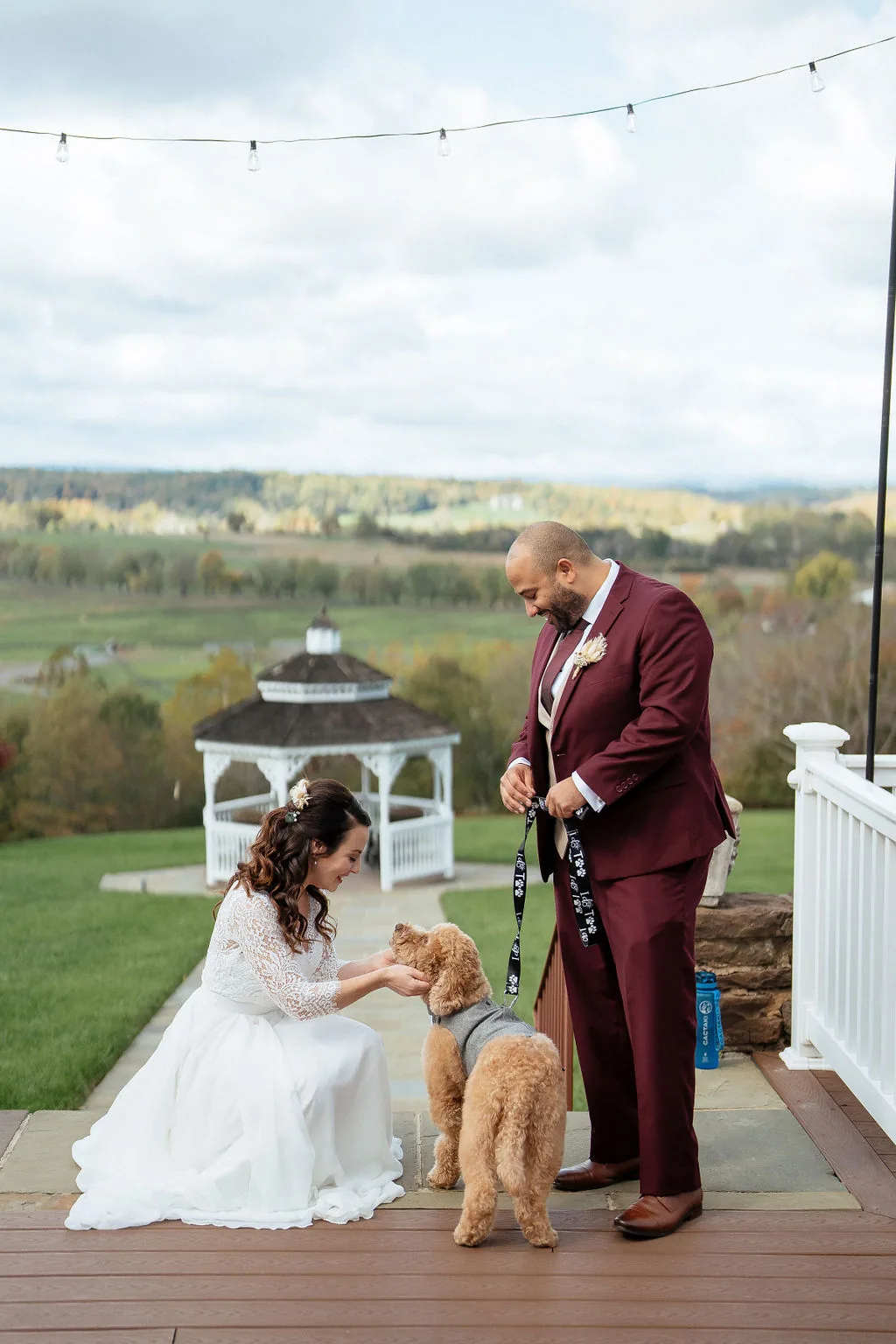
Many couples fall in love with a venue's photos or aesthetic and overlook practical issues. A riverside loft might be stunning but have only two restrooms for 200 guests. An intimate garden might be gorgeous but exposed to afternoon heat with no shade. A historic mansion might photograph beautifully but have a tiny kitchen that stresses catering. Make a list of non-negotiables (size, climate control, parking, restroom ratio) and eliminate venues that don't meet them. From the remaining options, choose the most beautiful and photogenic. This approach delivers a venue you love that actually works for your guests.
What's a realistic budget range for wedding venues?
Venue costs range from $500–$5,000+ depending on region, season, and amenities included. Urban venues cost more; rural and off-season venues are cheaper. Ask the venue what's included (catering, bar, setup, linens) because hidden costs add up fast.
A casual backyard or community center might run $500–$1,500. A nice restaurant or small event space runs $1,500–$2,500. Mid-range venues (vineyards, historic homes, hotel ballrooms) cost $2,500–$4,000. Premium venues (estates, resorts, urban lofts) run $4,000–$8,000+. These are ball-park figures for the venue rental alone, catering, bar, rentals, and staffing are usually additional. Coastal and major metropolitan areas are higher; rural and off-season dates are lower. Get a detailed estimate from your top three venues, comparing exactly what's included. A cheaper venue with mandatory expensive catering might cost more overall than a pricier venue that includes catering and setup.