The Concierge Effect: How Day-of Coordination Changes Your Wedding Experience

The difference between a wedding day that feels present and one that feels managed is almost always one person: a dedicated concierge handling every coordination detail so you don't have to. This person isn't your planner (who was designing months ago) or the venue coordinator (who manages the space). They're your advocate, managing the run-of-day, vendor communication, and the hundred small decisions that separate smooth days from stressful ones.
What a concierge does (and what they don't)
A wedding concierge is fundamentally different from a wedding planner, even though both involve weddings and logistics.
Wedding Planners (months before): Design direction, vendor sourcing and negotiation, contract review, budget tracking, aesthetic planning. Many planners hand off coordination to others as the wedding approaches or attend in a supervisory capacity rather than an operational one.
Wedding Concierges (weeks before and day-of): Timeline planning with vendors, final confirmations, day-of operational management. The concierge is the active manager—present during getting-ready, managing vendor arrival times, holding couples to the timeline, making real-time decisions, directing family, and preventing problems.
These aren't redundant. Many couples work with both: a planner who designed the event and a concierge who executes it. Some planners offer both services. But the skill sets are different. A great planner might be an indifferent day-of manager, and vice versa.
At Precious Pics Pro, White Glove concierge service is included in every package—not as a premium tier but as a standard—because photography depends on it. A well-managed timeline creates natural moments. A rushed, chaotic day creates panic and forced poses.
Why timeline planning starts weeks out
The best concierge work happens before the wedding day, in the background.
Four to six weeks out, your concierge meets with you and your venue to draft the run-of-day: when getting-ready happens, when vendors arrive, ceremony start, cocktail length, reception flow, timing of key moments (toasts, dances, cake cutting). This draft gets reviewed with your catering team, florist, DJ, videographer, and photographer. Everyone confirms they can execute it. Changes get made and locked.
Two weeks out, final confirmations. One week out, reminders to every vendor with the locked timeline.
Why does this matter? A 3 PM timeline assumes the caterer arrives by 2:45. If nobody confirmed arrival time, the caterer might show up at 3:15. That 30 minutes cascades: ceremony gets pushed, portraits get compressed, golden hour gets missed. A single unconfirmed detail ripples through the entire day.
Clear communication weeks in advance prevents these cascades. Vendors know exactly what's expected. Your concierge knows what each vendor plans to do. You're free to focus on the actual wedding.
The day-of role: invisible problem-solving
On the wedding day, a good concierge is almost invisible. You're not aware of them managing, which is the point.
Vendor management: The catering captain talks to the concierge, not you. The florist asks about table setup logistics to the concierge, not you. The DJ gets timeline direction from the concierge. You're having your hair done, getting ready, focusing on the moment. The concierge is the operational center.
Timeline holding: A sequence is running 10 minutes slow. The concierge adjusts the next timeline items, not by cutting moments short but by absorbing buffer time elsewhere. Cocktail hour stays the planned length; portraits happen on schedule; golden hour portraits happen as planned.
Family direction: Your grandmother needs to know where to sit for family photos, but she's asking you, and you're in a dress you paid $4,000 for. The concierge talks to your grandmother, points her in the right direction, and you never get interrupted.
Decision-making: Weather forecast changes at 10 AM. Your ceremony was outdoor; now there's rain. The concierge has already mapped the indoor backup plan with your venue. It gets communicated to vendors in real-time. You hear "all set, we've moved inside" rather than "we need to figure this out."
Vendor problems: The florist is running 45 minutes behind. The concierge coordinates with the venue to delay the first vendor arrival detail and shifts ceremony setup time. The caterer gets a message: "We're ready 30 minutes later than planned." By the time you're walking down the aisle, everything is ready and guests don't know anything was different.
This is the work that makes the day feel effortless. It's not magical. It's planning and communication.
Concierge vs. day-of coordinator vs. planner: understanding the roles
Wedding Planner: Leads design, aesthetic, and vendor selection. May or may not provide day-of execution.
Day-of Coordinator: Present on the wedding day to manage logistics. Usually doesn't engage in planning months before.
Concierge: Bridges the gap—planning the timeline weeks before and managing execution on the day.
At Precious Pics Pro, our White Glove service is the concierge model. We engage in timeline planning starting four to six weeks out and are present from getting-ready through the end of the reception, managing every operational detail and making sure your day feels present rather than managed.
If you have a planner who's already doing this, that's excellent; you have full coverage. If your planner is design-focused and hands off day-of management, a concierge layer adds real value. If you don't have a planner and are managing logistics yourself, concierge support is particularly valuable—it keeps you present on the day you've been planning for a year.
Why concierge matters for photography quality
This might sound indirect, but it's essential: a well-managed wedding day produces better photographs.
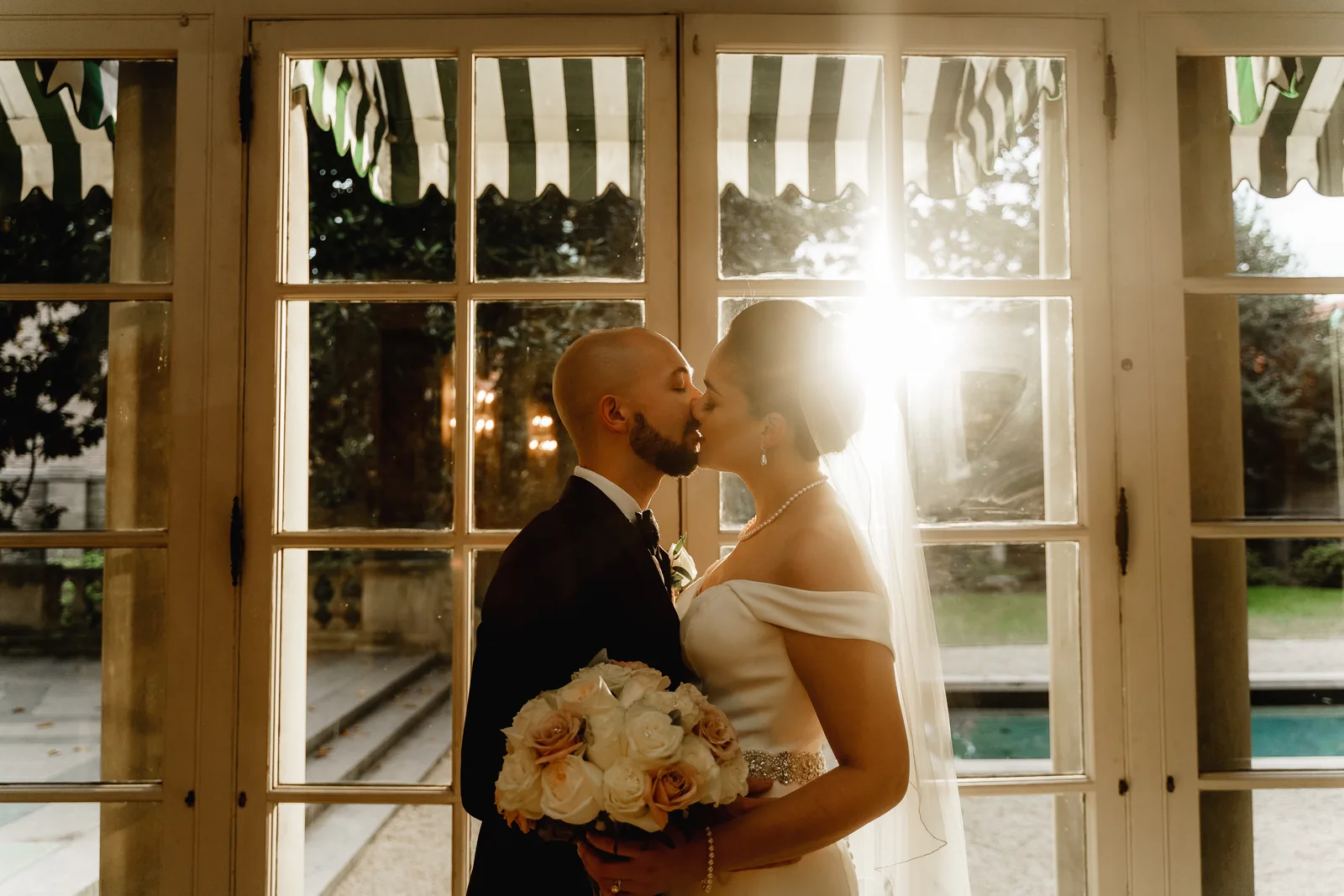
A rushed timeline creates tense faces and forced poses. A smooth timeline creates natural moments. Natural moments create authentic photographs. It's not luck; it's the downstream effect of good operational management.
When the ceremony starts exactly on time, everyone is calm. When cocktail hour flows smoothly, candid moments happen naturally. When portraits happen during golden hour as planned, light is optimal. When the reception sequence moves without gaps or rushes, you and your guests are relaxed, and photos capture real celebration, not stress management.
Our role isn't just to photograph you well; it's to help create conditions where you are well—present, calm, enjoying each other—so that's what gets captured.
The concierge conversation
If you're booking photography with us, we'll have a detailed conversation about your timeline, your priorities, and what success looks like for your day. That becomes the concierge framework. We'll coordinate with your venue and other vendors, build the run-of-day, confirm with you, and then execute it on the day while staying invisible.
Get in touch if you want to talk through how this works for your specific wedding. Most couples find the clarity around "here's what the day looks like and here's who's managing each part" to be more valuable than they expect.
You might also like how we approach photography and videography as craft and what full-day coverage packages include.
Planning your wedding?
Get a personalized quote from our team